May whatever you wish or want quickly come to be, may all your aspirations be fulfilled, as the moon on the fifteenth (full moon) day, or as a radiant, bright gem.
Sabbītiyo vivajjantu Sabba-rogo vinassatu Mā te bhavatvantarāyo Sukhī dīgh’āyuko bhava.
May all distresses be averted. may every disease be destroyed. May there be no dangers for you. May you be happy & live long.
For one of respectful nature who constantly honors the worthy, Four qualities increase: long life, beauty, happiness, strength.
Āyurārogya sampatti – sagga sampatti meva ca Ato nibbāna sampatti – iminā te samijjhatu!
Through these wholesome deeds, May you achieve the wealth of long life, good health, and a place of happiness, And eventually may you attain Nibbana, the Supreme Bliss!
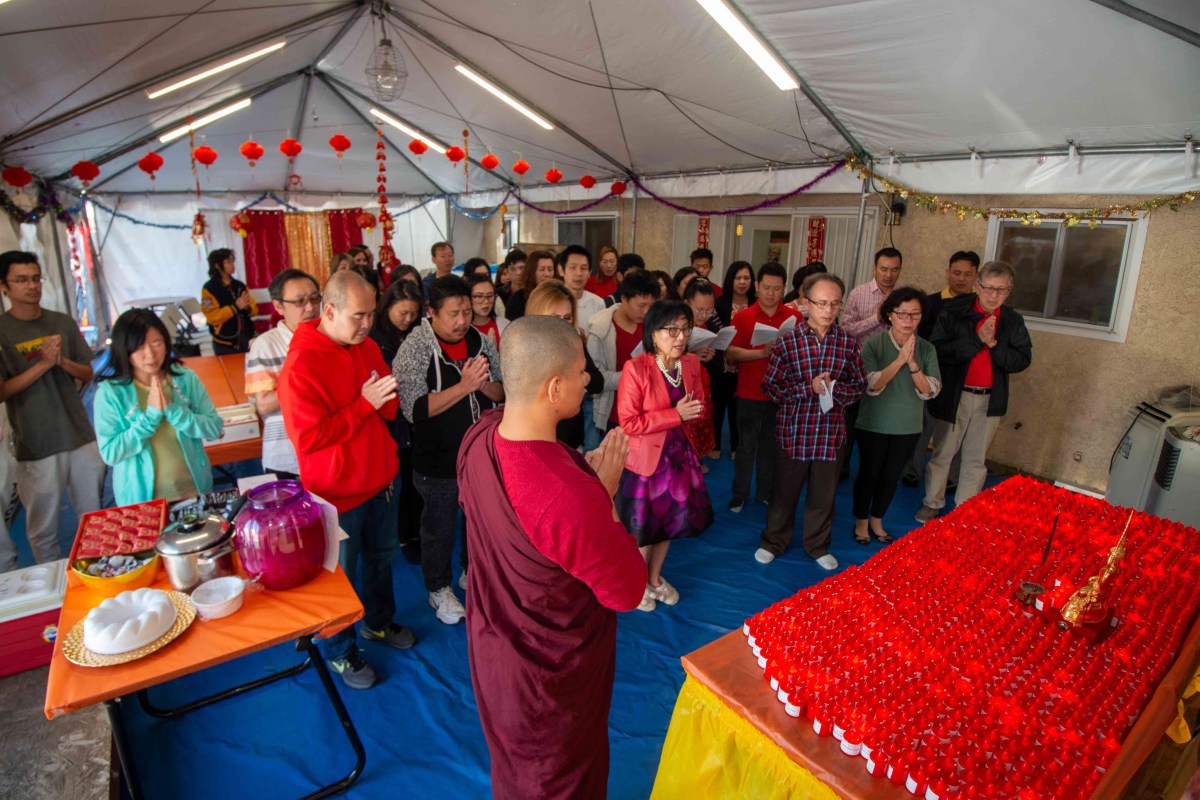
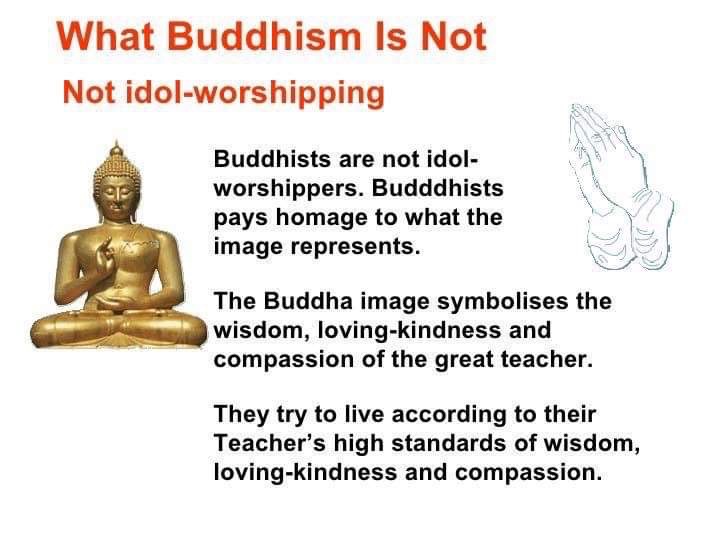
To pay respect to, and ask forgiveness of, the Buddha’s relics, relics of the Noble Disciples, Buddha images, stupas, the Bodhi tree — all of which are objects that all Buddhists should respect, both inwardly and outwardly:
[Ratanattayamagāra pāṭha] Arahaṃ sammā-sambuddho bhagavā. The Blessed One is Worthy & Rightly Self-awakened. Buddhaṃ bhagavantaṃ abhivādemi. I bow down before the Awakened, Blessed One.
(BOW DOWN)
Svākkhāto bhagavatā dhammo. The Dhamma is well-expounded by the Blessed One. Dhammaṃ namassāmi. I pay homage to the Dhamma.
(BOW DOWN)
Supaṭipanno bhagavato sāvaka-saṅgho. The Sangha of the Blessed One’s disciples has practiced well. Saṅghaṃ namāmi. I pay respect to the Sangha.
(BOW DOWN)
Asking for Forgiveness from the Bhante Laity: Okāsa, ahaṃ (mayaṃ) bhante, dvārattayena kataṃ sabbaṃ aparādhaṃ khamatu me (no) bhante. I (we) ask for your leave. I (we) ask you to forgive me (us) for whatever wrong I (we) have done with the three doors (of body, speech, & mind).
Laity: Okāsa, ahaṃ bhante, tisaraṇena saha pañca sīlaṃ dhammaṃ yācāmi, anuggahaṃ katvā sīlaṃ detha me bhante. Permit me, Bhante, I ask for the three refuges together with the five precepts. Please, Bhante, kindly administer the precepts to me.
Dutiyaṃpi,Okāsa, ahaṃ bhante, tisaraṇena saha pañca sīlaṃ dhammaṃ yācāmi, anuggahaṃ katvā sīlaṃ detha me bhante. A second time permit me, Bhante, I ask for the three refuges together with the five precepts. Please, Bhante, kindly administer the precepts to me.
Tatiyaṃpi,Okāsa, ahaṃ bhante, tisaraṇena saha pañca sīlaṃ dhammaṃ yācāmi, anuggahaṃ katvā sīlaṃ detha me bhante. A third time permit me, Bhante, I ask for the three refuges together with the five precepts. Please, Bhante, kindly administer the precepts to me.
Monk: Yamahaṃ vadāmi taṃ vadetha. Repeat after me.
Laity: Āma bhante. Yes Bhante.
Monk: Namo tassa bhagavato arahato sammā-sambuddhassa. (Three times.) Homage to the Blessed One, the Worthy One, the Rightly Self-awakened One.
Laity: Namo tassa bhagavato arahato sammā-sambuddhassa. (Three times.) Homage to the Blessed One, the Worthy One, the Rightly Self-awakened One.
(Tisaraṇa-Three Refuges)
Monk: Buddhaṃ Saraṇam Gacchāmi. Dhammaṃ Saraṇam Gacchāmi. Saṅghaṃ Saraṇam Gacchāmi. I go to the Buddha for refuge I go to the Dhamma for refuge I go to the Sangha for refuge
Laity: Buddhaṃ Saraṇam Gacchāmi. Dhammaṃ Saraṇam Gacchāmi. Saṅghaṃ Saraṇam Gacchāmi. I go to the Buddha for refuge I go to the Dhamma for refuge I go to the Sangha for refuge
Monk: Dutiyaṃpi, Buddhaṃ Saraṇam Gacchāmi. Dutiyaṃpi, Dhammaṃ Saraṇam Gacchāmi. Dutiyaṃpi, Saṅghaṃ Saraṇam Gacchāmi. For a second time, I go to the Buddha for refuge For a second time, I go to the Dhamma for refuge For a second time, I go to the Saṅgha for refuge
Laity: Dutiyaṃpi, Buddhaṃ Saraṇam Gacchāmi. Dutiyaṃpi, Dhammaṃ Saraṇam Gacchāmi. Dutiyaṃpi, Sanghaṃ Saraṇam Gacchāmi. For a second time, I go to the Buddha for refuge For a second time, I go to the Dhamma for refuge For a second time, I go to the Sangha for refuge
Monk:Tatiyaṃpi, Buddhaṃ Saraṇam Gacchāmi. Tatiyaṃpi, Dhammaṃ Saraṇam Gacchāmi. Tatiyaṃpi, Sanghaṃ Saraṇam Gacchāmi. For a third time, I go to the Buddha for refuge For a third time, I go to the Dhamma for refuge For a third time, I go to the Sangha for refuge
Laity:Tatiyaṃpi, Buddhaṃ Saraṇam Gacchāmi. Tatiyaṃpi, Dhammaṃ Saraṇam Gacchāmi. Tatiyaṃpi, Sanghaṃ Saraṇam Gacchāmi. For a third time, I go to the Buddha for refuge For a third time, I go to the Dhamma for refuge For a third time, I go to the Sangha for refuge
Monk: Tisaraṇa Gamanaṃ Paripunnaṃ. Taking Three Refuges are complete.
Laity: Āma bhante. Yes, Bhante.
Pañcasīla-Five Precepts
Monk: Pānātipātā Veramaṇi Sikkhā-padaṃ Samādiyāmi. I undertake the training rule of refraining from killing living creatures. Laity: (Repeat after the monk)
Monk: Adinnādānā Veramaṇi Sikkhā-padaṃ Samādiyāmi. I undertake the training rule of refraining from taking what has not been given. Laity: (Repeat after the monk)
Monk: Kāmesu Micchācārā Veramaṇi Sikkhā-padaṃ Samādiyāmi. I undertake the training rule of refraining from sexual misconduct Laity: (Repeat after the monk)
Monk: Musāvādā Veramaṇi Sikkhā-padaṃ Samādiyāmi. I undertake the training rule of refraining from false speech Laity: (Repeat after the monk)
Monk: Surameraya-majjha-pamādaṭṭhānā Veramaṇi Sikkhā-padaṃ Samādiyāmi. I undertake the training rule of refraining from liquor, wines, or intoxicants which cause heedlessness. Laity: (Repeat after the monk)
Monk: Tisaraṇena Saha Pañca Sīlaṃ Dhhammaṃ Sādhukaṃ Surakkhitaṃ Katvā Appamādena Sampādetha. Having well undertaken and kept the five precepts, together with the three refuges, one should strive on with diligence.
Laity: Āma Bhante. Yes, Bhante.
Monk: Sīlena sugatiṃ yanti, Sīlena bhoga‧sampadā, Sīlena nibbutiṃ yanti, Tasmā sīlaṃ visodhaye. With morality, good rebirth is gained; With morality, wealth is achieved; With morality, perfect peace is attained. Therefore, morality should be puri
In Pataliputta, which later became the capital of Emperor Asoka, there lived two nuns named Bodhi and Isidasi who were good friends. They had both destroyed all defilements and attained enlightenment. One day the friends discussed their past histories and their initiation to the Noble Order. Bhikkuni Bodhi, who was elderly, had undergone great suffering. She told her story to Isidasi and then asked the young and beautiful nun how someone as beautiful and likable as she had experienced the suffering of existence. Bodhi said,
“You are lovely, noble Isidasi, And your youth has not yet faded. What was the flaw that you had seen That led you to pursue renunciation?” – (Therigatha 403)
Isidasi then told her life story. She had been born in the city of Ujjeni as the much-loved only daughter of a rich merchant. When she came of age, a wealthy merchant who was a friend of her father asked for her hand in marriage for his son. Isidasi’sparents were overjoyed at the proposal as they knew the family well. Isidasi, who was a model daughter, displayed these qualities and behaviour to her husband and in-laws. She soon she won over the hearts of her parents-in-law. Isidasi also grew to love her husband. Disregarding the help offered by her servants she took care of all his meals and needs herself. However, despite her love and model behaviour, her husband soon tired of her. Isidasi describes her life as follows:
“By myself I cooked the rice, By myself I washed the dishes. As a mother looks after her only son, So did I serve my husband. I showed him devotion unsurpassed, I served him with a humble mind, I arose early, I was diligent, virtuous, And yet my husband hated me.” – (Therigatha 412-413)
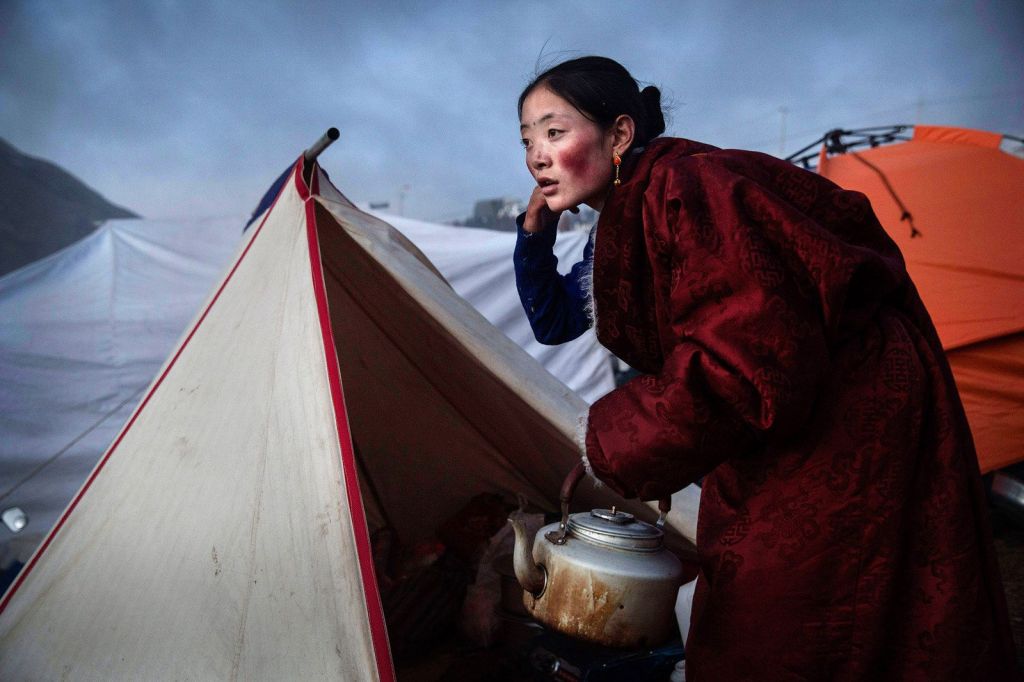
Representative pic only
While admitting to his parents that Isidasi was blameless her husband insisted that he could no longer live with her. However, as she had done no wrong, he offered to leave the city and start a new life elsewhere. Isidasi’s parents-in-law were devastated. They loved their daughter-in-law and did not want to lose her. Thinking that there was a problem that their son was hesitant to tell them, they questioned Isidasi. She answered truthfully as follows:
“I have done nothing wrong, I have done him no harm, I have not spoken rudely to him. What have I done that my husband hates me?” – (Therigatha 418)
Her parents-in-law were perplexed and disappointed. They had grown to love Isidasi as a daughter. They did not, however, want their son to move away to another city. They decided to send Isidasi back to her parents, certain that with her beauty and kindness she would easily find another suitable partner. This rejection was devastating to Isidasi. Being sent back to one’s parents was a disgrace and a shame in Indian society at the time of the Buddha. Isidasi describes her pain as follows:
“Rejected, overcome by suffering, They led me back to my father’s house. While appeasing our son, they exclaimed, We have lost the beautiful goddess of fortune”. – ( Therigatha 419)
Isidasi’sparents were perplexed by what had happened. Accepting the inevitable they began looking for a suitable husband. Before long they found a wealthy young man who was so overcome by Isidasi’sbeauty and deportment that he offered to provide half of the usual marriage dowry that was given by the bride’s father. Despite the fact that Isidasi lavished her attention on her new husband and treated him with utmost respect, the same pattern followed. Within a month he returned her to her father and annulled the marriage, though he could give no cause for his extreme dislike of his model wife.
Isidasi was devastated. This second rejection pierced her heart like a poisoned arrow. She moped around the house, dejected. When a mendicant came to their house begging for alms, Isidasi’s desperate father offered her to the ascetic. The ascetic seemed to be unsatisfied with his solitarylife. The prospect of a beautiful wife and a life of luxury in a splendid mansion appealed to him. Giving his begging bowl and robes to her father he accepted Isidasi as his wife. But after two weeks he brought her back and asked for his robe and bowl. “He preferred”, he said, “to be the poorest man on earth than to live with Isidasi under the same roof.” Despite the fact that they pleaded to know the reason for the rejection he could give none. “All he knew, he said, was that he could not live with her.”
Isidasi was ready to commit suicide. The shame and sorrow of three rejections were too hard to bear. She was planning for her death when a Buddhist nun named Jinaddata came to their house for alms. Pleased by her serenity and countenance, Isidasi asked permission from her father to enter the Noble Order. Her father was hesitant as he did not want to lose her company, but seeing the suffering in his beloved daughter’s eyes, he agreed. He then urged her to attain the supreme state of Nibbana.
“Then my father said to me Attain enlightenment and the supreme state Gain Nibbana which the Best of Men Has Himself already realized”. – (Therigatha 432)
She explained the cause of her present suffering to her friend Bodhi. Eight lifetimes ago Isidasi had been born a man – a rich, handsome and dashing goldsmith. Women had been attracted to him and he had taken advantage of them even though they were other men’s wives and innocent girls. He flitted from woman to woman, breaking hearts, quite oblivious to the pain and suffering he was causing. He wanted to take his pleasure again and again. He wanted change. The fact that he had broken many hearts and marriages did not bother him at all. They were all trophies that he could brag about.
After suffering in hellish torment for the lifespan of the plane he was reborn in the womb of a monkey. Seven days after his birth the leader of the monkeys, seeing a threat to his position from the new-born monkey, bit his genitals and castrated him. Isidasi describes this act, done to prevent future rivalry, as follows:
“A great monkey leader of the troops, Castrated me when I was seven days old, This was the fruit of that kamma Because I had seduced others wives.” – (Therigatha 437)
At death he was reborn as a sheep, the offspring of a lame, one-eyed ewe. He lived in misery for twelve years, infected with intestinal worms, obliged to transport children and pull the plough and cart with hardly any rest. Hard work was what the frivolous goldsmith had avoided and hard work was what he now had to endure as a beast of burden. He had been castrated by his owner and his life was a misery of intense, hard work with loss of sight in his latter years.
In his next birth he (the former goldsmith) was reborn as a female. He had now become a woman, the object of his former desire. The woman’s father was a good-for-nothing carter who failed at every endeavor. He gave his daughter to a rich merchant to pay his debts. Despite her pleas she found herself taken into the merchant’s household as a slave girl. She was sixteen years old and an attractive girl. After some time, the son of the household fell in love with her, and took her as his second wife. Naturally, the first wife was most displeased with this arrangement. The slave girl, however, did everything in her power to strike discord between the husband and wife, as she liked her new position. This resulted in much fighting and quarreling in the household until she finally succeeded in breaking up the marriage and separating the husband and his first wife.
“This was the fruit of that past deed, That although I served them like a slave, They rejected me and went away; Of that too I have made an end.” – (Therigatha 447)
We can all benefit from Isidasi’s story. Over time, especially in the western world, moral values have deteriorated. Young men and women are very casual about sexual behaviour and the media and television have glorified sex through advertisements, movies and magazines. What was once considered immoral is now considered moral. Despite the ignorance of humankind, the law of kamma operates. The Buddha laid down a very simple moral code to follow regarding sexual behavior. As Buddhists we are not only advised to refrain from adultery and rape, but we are cautioned against inappropriate sexual behavior of any kind. This includes relationships with those under the guardianship of parents, relatives and friends and relationships with members of religious orders who have taken the vows of celibacy. Buddhists should not indulge in casual sex but should exercise restraint and ensure that they form meaningful, long-term relationships based on love and commitment before they give in to their desires. Buddhists should also actively work at preventing child abuse and the breaking up and disruption of marriages caused by casual relationships.


 Karuna Buddhist Society